
Emirati Culture: Tradition Meets Modernity in the UAE
BENEFITS
2/5/20253 min read
The United Arab Emirates (UAE), a modern Islamic nation in the Middle East, possesses a unique cultural identity shaped by its rich history and rapid development. Emirati culture represents a dynamic interplay between embracing progress and preserving deeply held traditions. This synthesis is evident in various facets of Emirati life, from cuisine and fashion to social customs and recreational activities.
Cultural Expressions:
Emirati cuisine reflects a confluence of influences. While sharing common dishes like shawarma, hummus, and falafel with the broader Arab world, Emirati cuisine also showcases distinct preferences. Machboos, a flavorful dish combining rice, meat, onions, and spices, exemplifies this. The influence of Iranian cuisine is apparent in the widespread use of rice, saffron, cardamom, and rose water. Traditional Emirati attire is proudly worn. Men often don the kandura, a full-length garment, complemented by the ghutra headpiece and neal sandals. Women wear the abaya, a flowing robe, often paired with a hijab or burqa. These garments, while rooted in tradition, have also evolved in style and material.
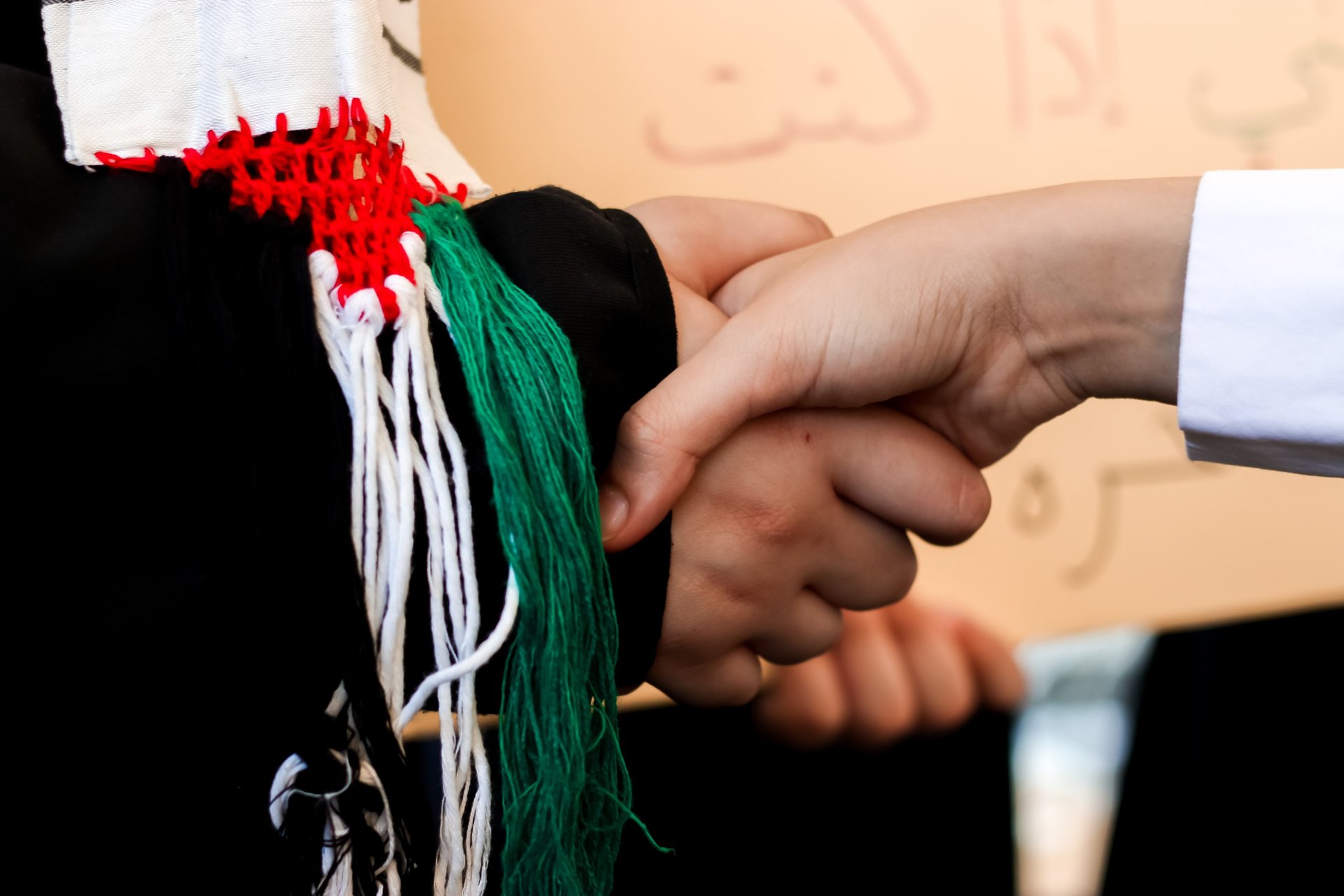
Social interactions are marked by respect and expressiveness. A common greeting involves handshakes and nose kisses, signifying warmth and esteem. The local dialect, Khaliji Bedouin Arabic, further distinguishes Emirati communication.
Traditional arts, including pottery, weaving, and metalworking, remain vital, often serving as economic mainstays for smaller communities. Storytelling, poetry (classical, contemporary, and nabati), traditional music like the huda', and dances such as the ayyalah (sword dance) are integral to cultural expression. The Ministry of Information and Culture plays a crucial role in supporting these traditions through events and festivals.
Recreation and Sports:
Traditional sports like camel racing, horse riding, and falconry hold significant cultural importance. Camel racing, often referred to as the "sport of sheikhs," has evolved, incorporating robotic jockeys to address concerns regarding child labor. Football (soccer) is the most popular spectator sport, followed by horse racing. The UAE has also become a prominent venue for international sporting events, including golf, tennis, rugby, and Formula One racing.
Evolving Social Landscape:
Significant changes are occurring in the UAE's social fabric, particularly concerning marriage and women's employment. The government actively promotes women's empowerment, with constitutional guarantees and protections in place. A substantial percentage of Emirati women participate in the workforce. While traditional nomadic lifestyles have diminished, many customs persist. Islamic holidays are observed, and traditional dress remains prevalent. Women's attire often features the dir', thawb, sirwal, abayah, shal, hijab, or burqa', often crafted from fine fabrics with intricate embroidery and jewelry. Men continue to wear the kandura or dishdashah with the ghutra and iqal.
Economic and Cultural Institutions:
The UAE's economy, once reliant on fishing and pearling, has diversified significantly. Traditional souks (markets) continue to thrive, offering handicrafts and local products. Cultural institutions like the Dubai Museum, Al-Ain Museum, and Sharjah Natural History Museum preserve and showcase Emirati heritage. The Louvre Abu Dhabi and the Dubai Opera House highlight the nation's commitment to arts and culture. Dubai has also emerged as a regional hub for film, television, and music production.
Historical Overview:
The UAE's history is marked by tribal influence and British protectorate status. The Qasimi dynasty's dominance in the late 18th century gave way to British influence in the 19th century, leading to the establishment of the Trucial States. Following Britain's withdrawal in 1971, the UAE was formed, uniting several emirates. Internal political dynamics have shaped the federation, with Abu Dhabi and Dubai playing prominent roles. The discovery of oil transformed the UAE's economy, leading to rapid modernization and development.
Contemporary Challenges and Foreign Relations:
The UAE faces contemporary challenges, including navigating regional political complexities and addressing concerns regarding human rights and migrant worker conditions. The UAE is a member of the Gulf Cooperation Council (GCC) and has played an active role in regional affairs, including interventions in Yemen and participation in the coalition against ISIS. The UAE has also taken a leading role in mediating peace talks in the region. The nation has established diplomatic ties with Israel, marking a significant shift in regional dynamics. The UAE's foreign policy is focused on maintaining stability, promoting economic interests, and countering perceived threats to regional security. The UAE's future trajectory will likely involve continued economic diversification, social progress, and active engagement in international affairs.
Retirement
Explore luxury living and retirement options in Dubai.
Contact us
Retirement newsletter
info@skyland.ae
+971 52 980 3362
© 2025. All rights reserved.